
The Role of VPNs in IPTV Streaming: Complete 2025 Guide
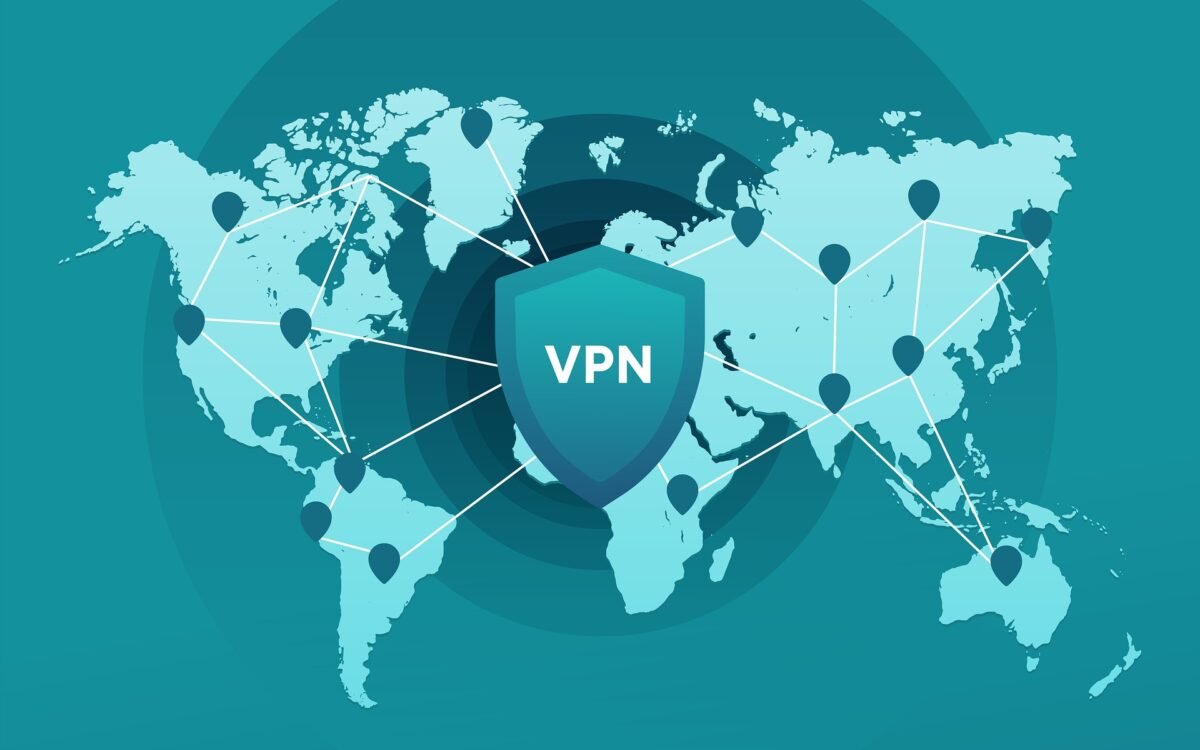
Internet Protocol Television (IPTV) continues to grow dramatically in 2025 as millions of viewers switch from traditional cable and satellite TV to more flexible online streaming. With this massive shift in viewing habits, the question of privacy, geo-blocks, and online safety has never been more important. This is where VPNs (Virtual Private Networks) play a crucial role.
Many IPTV users — whether they subscribe to premium services, use free apps, or manage their own platforms like TVFLUX — want a safe, private, and unrestricted streaming experience. VPNs have become one of the most important tools to support that. But why are they so essential? How do they work? And what benefits do they bring to IPTV users, providers, and resellers?
This full-length guide explores everything you need to know about VPNs in IPTV streaming, covering their importance, how they work, the technical details, legal considerations, best practices, risks, and why 2025 marks a new turning point for IPTV security.
1. What Is a VPN? Understanding the Basics
A VPN (Virtual Private Network) is a secure technology that creates an encrypted tunnel between your device and the internet. When you connect to a VPN server, your online activity becomes anonymised and protected.
Key things a VPN does:
- Masks your real IP address
Your IP (Internet Protocol address) is your unique online identifier. VPNs hide it and replace it with an IP from another region or country. - Encrypts your internet connection
This means your ISP, hackers, or government surveillance systems cannot see what you are watching. - Enables geo-unblocking
You can view content not available in your country by connecting to servers abroad. - Adds security on public networks
Great for IPTV users who sometimes stream on public Wi-Fi.
Why this matters for IPTV users
IPTV platforms function through online streaming technology, which means your IP and connection speed can affect:
- content accessibility
- streaming quality
- privacy levels
- regional restrictions
- possible ISP throttling
VPNs solve many of these issues.
2. Why VPN Usage Has Exploded in IPTV Streaming
In 2025, VPN usage among IPTV users has reached record levels. Several factors explain this sudden expansion.
A. Geo-Restrictions Become Stricter
Content owners (Disney, Netflix, Canal+, DAZN, ESPN) have tightened their regional controls. IPTV services — even legal ones — often limit what you can watch based on your country.
VPNs bypass these restrictions by switching your virtual location.
B. ISPs Increasingly Throttle IPTV Traffic
Internet Service Providers identify high-bandwidth streaming traffic and sometimes slow it down. This leads to:
- buffering
- poor-quality streams
- freezing
- pixelation
VPN encryption hides your streaming activity from the ISP, preventing throttling.
C. More People Choosing Legal IPTV Options
Even legal IPTV services sometimes restrict channels by region. VPNs help users access the full library while maintaining legal compliance.
D. Increased Cybersecurity Risks
Hackers now target IPTV apps more than ever with:
- phishing
- malware
- hijacking
- spying
- data theft
VPN encryption acts as a safety shield against these threats.
E. Rise of IPTV Providers Like TVFLUX
As platforms like TVFLUX become more popular internationally, users from different regions want to access content smoothly. VPNs allow global accessibility without issues.
3. Technical Breakdown: How a VPN Works With IPTV
To understand the role of VPNs in IPTV, you should also understand their technical structure.
A. Encryption Protocols
VPNs use security protocols such as:
- WireGuard – modern, fast, and ideal for streaming
- OpenVPN – extremely secure
- IKEv2/IPSec – great for mobile IPTV apps
WireGuard is currently the best for IPTV streaming due to its speed and low delay.
B. Server Routing
When watching IPTV through a VPN:
- You connect to a VPN server.
- Your device’s traffic gets encrypted.
- The server assigns you a new IP.
- IPTV content loads without restrictions.
C. DNS Leak Protection
Reliable VPN providers include DNS leak protection to make sure your real IP never escapes — crucial for IPTV reliability.
D. Kill Switch Technology
If your VPN disconnects for any reason, your device instantly loses internet connection. This prevents accidental exposure.
4. Why IPTV Users Should Use a VPN in 2025
This section reviews the most important benefits for viewers and IPTV providers.
1. Privacy and Anonymity
Your ISP or government agencies cannot monitor your viewing activity when using a VPN. For IPTV users who care about privacy, this is essential.
2. Avoiding ISP Throttling
Encrypted VPN traffic prevents ISPs from slowing down IPTV streams. This results in:
- smooth playback
- fewer interruptions
- better consistency
3. Accessing Geo-Locked Channels
Many IPTV services restrict certain channels by region. A VPN helps users access:
- sports channels
- movie networks
- regional entertainment
- catch-up content
4. Improved Security
VPN encryption protects users from:
- hacking
- spying
- malware
- insecure IPTV apps
5. Public Wi-Fi Safety
If you watch IPTV in cafés, hotels, airports, or co-working spaces, a VPN prevents network attackers from spying.
6. Strengthening IPTV Providers and Resellers
For companies like TVFLUX, recommending VPN usage boosts customer satisfaction:
- fewer buffering complaints
- fewer region restrictions
- more secure connections
This indirectly reduces support requests and improves service quality.
5. VPNs and IPTV Legality: Clearing the Confusion
One of the biggest questions is:
“Is it legal to use a VPN with IPTV?”
In most countries: YES, using a VPN is completely legal.
VPNs are legal tools used for:
- privacy
- security
- remote work
- personal protection
However, VPNs do NOT make illegal IPTV services legal.
Legal IPTV services + VPN → completely legal
Illegal IPTV services + VPN → still illegal
Countries where VPN usage has restrictions:
- UAE
- Oman
- China
- Russia
- North Korea
- Iran
- Qatar (partially restricted)
Even in these countries, VPNs are often allowed for legitimate purposes.
6. VPNs for IPTV Providers: A New Opportunity in 2025
IPTV companies (including TVFLUX) increasingly encourage users to use VPNs. Why?
A. Improved Global Reach
Users in blocked or restricted regions can easily access the platform.
B. Fewer Support Issues
VPNs reduce buffering, meaning fewer customer complaints.
C. Stronger Brand Trust
Recommending safe, secure streaming builds user confidence.
D. Protection Against ISP Blocking
Some Internet Providers block IPTV domains. A VPN bypasses this instantly.
E. Ideal for White-Label IPTV Businesses
Resellers can bundle VPN recommendations as part of their service package.
7. Risks of Using IPTV Without a VPN
Streaming IPTV without a VPN comes with several risks.
1. ISP Throttling
Your ISP can slow down your IPTV connection.
2. Loss of Privacy
Your online activity becomes visible.
3. Geo-Limitations
You may lose access to channels available only in other regions.
4. Cybersecurity Threats
IPTV apk files and playlists (M3U/M3U8) are easy targets for hackers.
5. Potential Exposure to Suspicious Apps
Some IPTV apps lack proper encryption.
Using a VPN helps avoid all these issues.
8. Choosing the Best VPN for IPTV in 2025
When selecting a VPN, focus on these criteria:
A. Speed
Look for VPNs with:
- WireGuard protocol
- high-speed servers
- optimisation for streaming
B. Server Coverage
More servers = more access to channels worldwide.
C. No-Logs Policy
VPN must NOT track activity.
D. Apps for All Devices
IPTV users need VPNs compatible with:
- Android TV
- Firestick
- iPhone
- Smart TVs
- Windows
- macOS
E. Kill Switch + Leak Protection
Prevents any accidental exposure.
F. Customer Support
Support should be available 24/7.
9. Best VPNs for IPTV in 2025
1. ExpressVPN
Fastest for IPTV; strong privacy.
2. NordVPN
Best combination of speed + security.
3. Surfshark
Very affordable with unlimited connections.
4. CyberGhost
Large server network for unblocking.
5. Private Internet Access (PIA)
Advanced settings for experienced users.
All these options work well with IPTV platforms like TVFLUX.
10. How to Use a VPN for IPTV (Step-by-Step)
Step 1: Choose a VPN
Download a reputable VPN.
Step 2: Install the App
Install on your preferred IPTV device.
Step 3: Select a Server Location
Choose a country that gives you full channel access.
Step 4: Connect
Enable the VPN connection.
Step 5: Open Your IPTV App
Load TVFLUX or your IPTV player and enjoy.
11. How VPNs Improve IPTV Performance
VPNs do more than unblock content — they also improve streaming.
A. Preventing Throttling
Encrypted traffic hides your usage.
B. Reducing Routing Problems
Some VPNs provide optimised routes for streaming.
C. More Stable International Streams
Ideal for watching sports from overseas.
12. TVFLUX Example: Real-Life Scenario
A viewer in Kenya wants to watch content available in Europe on TVFLUX.
Normally, the content is blocked due to broadcasting rights.
With a VPN:
- user connects to a French server
- TVFLUX loads the European library
- streaming works smoothly
- no buffering due to encrypted routing
This is why VPNs and IPTV work hand-in-hand in 2025.
13. VPN Myths in IPTV
Myth 1: VPNs slow down streaming
Wrong — today’s VPNs optimise speed.
Myth 2: VPNs are only for illegal streaming
False — most use VPNs for privacy and geo-access.
Myth 3: IPTV won’t work with VPNs
Incorrect — many IPTV apps work better with a VPN.
14. The Future of IPTV and VPNs Beyond 2025
Expect major changes:
1. AI-Based Routing
VPNs will soon use AI to optimise speed.
2. Integrated VPNs in IPTV Apps
Providers like TVFLUX may eventually include built-in VPN technology.
3. Stronger Anti-Piracy Laws
VPNs will help users maintain privacy.
4. Edge Computing Servers
Ultra-fast streaming with lower latency.
15. Final Verdict: Why VPNs Are Essential for IPTV in 2025
VPNs are now a critical companion for IPTV streaming. They offer:
- privacy
- protection
- unrestricted access
- better performance
- global coverage
Whether you’re a viewer or a provider like TVFLUX, using or recommending a VPN enhances security, accessibility, and overall streaming quality.
VPNs ensure IPTV stays safe, open, and reliable — especially in a world with increasing restrictions and cybersecurity threats.