
Introduction: The Death of Traditional Programming For decades, live television relied on studios, presenters, production crews, scheduling teams, and physical infrastructure. Even with the rise of internet-based broadcasting, live channels still depended heavily on human coordination. In 2026, a new phenomenon is reshaping digital media: AI-generated live channels. These are…
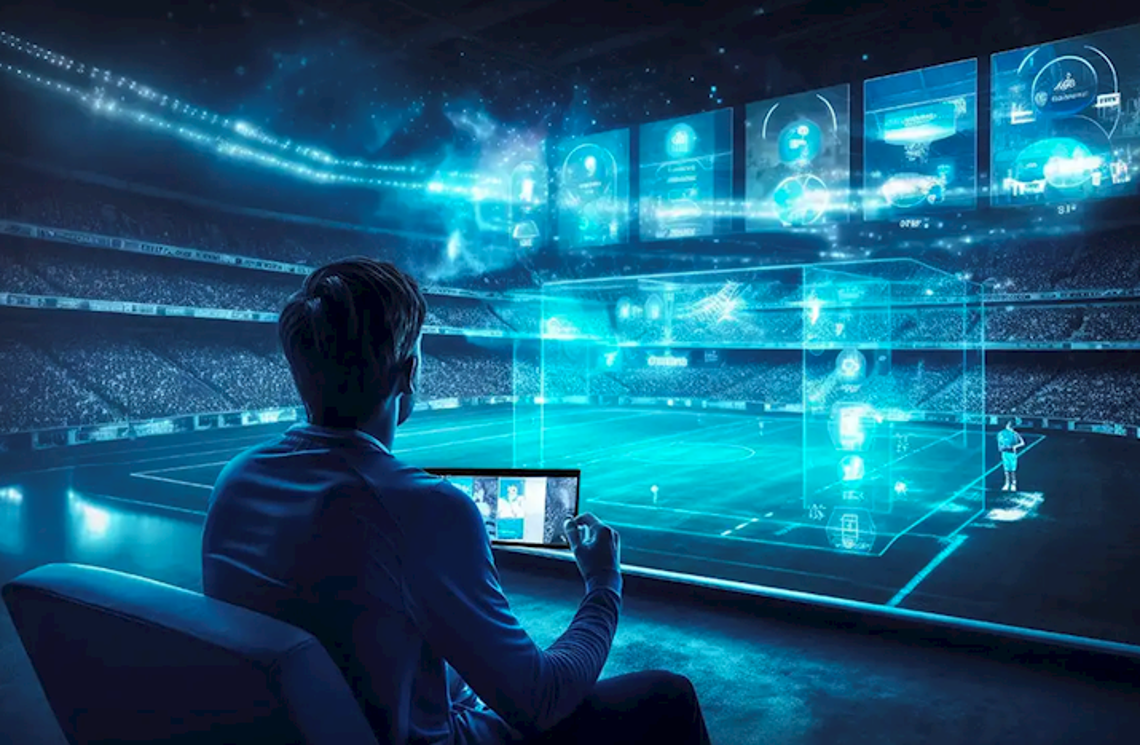
Introduction: Beyond the Flat Screen For decades, digital broadcasting has revolved around flat displays. From CRT televisions to 4K smart screens, the evolution focused on resolution, colour accuracy, and processing power. However, in 2026, a major transformation is unfolding: holographic broadcast systems. Volumetric display technology is moving from research labs…
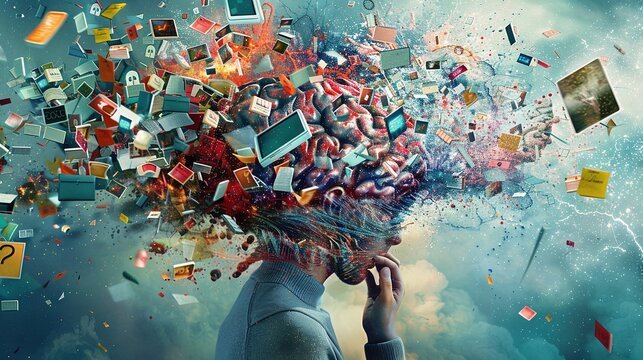
Introduction: From Passive Viewing to Cognitive Interaction Digital broadcasting has evolved from scheduled programming to on-demand streaming, from manual curation to AI-driven recommendations. In 2026, however, a more profound shift is emerging—neuro-adaptive streaming systems. This new generation of video delivery platforms integrates biometric feedback and cognitive modelling to adapt content…