

UX/UI Evolution: What Viewers Expect from Next-Generation Television Interfaces in 2026
User experience and user interface design have become decisive factors in the success of modern television platforms delivered over internet networks. By 2026, viewers no longer judge digital television services only by the number of channels or the resolution of the stream. Instead, they expect intuitive navigation, personalisation, speed, accessibility, and seamless interaction across devices. The interface is now the product.
As internet-based television platforms mature, design expectations rise rapidly. Viewers compare their television experience to the best mobile apps, streaming services, and gaming interfaces they use daily. Cluttered menus, slow navigation, and confusing layouts no longer meet modern standards. Next-generation television interfaces must feel intelligent, human-centred, and effortless.
This article explores the evolution of UX and UI in digital television platforms delivered over internet connections. It examines how viewer expectations have changed, which design principles dominate in 2026, and how emerging technologies shape the future of television interfaces. The focus remains on professional, consumer-ready platforms rather than traditional broadcast systems.
Understanding UX and UI in Internet-Delivered Television
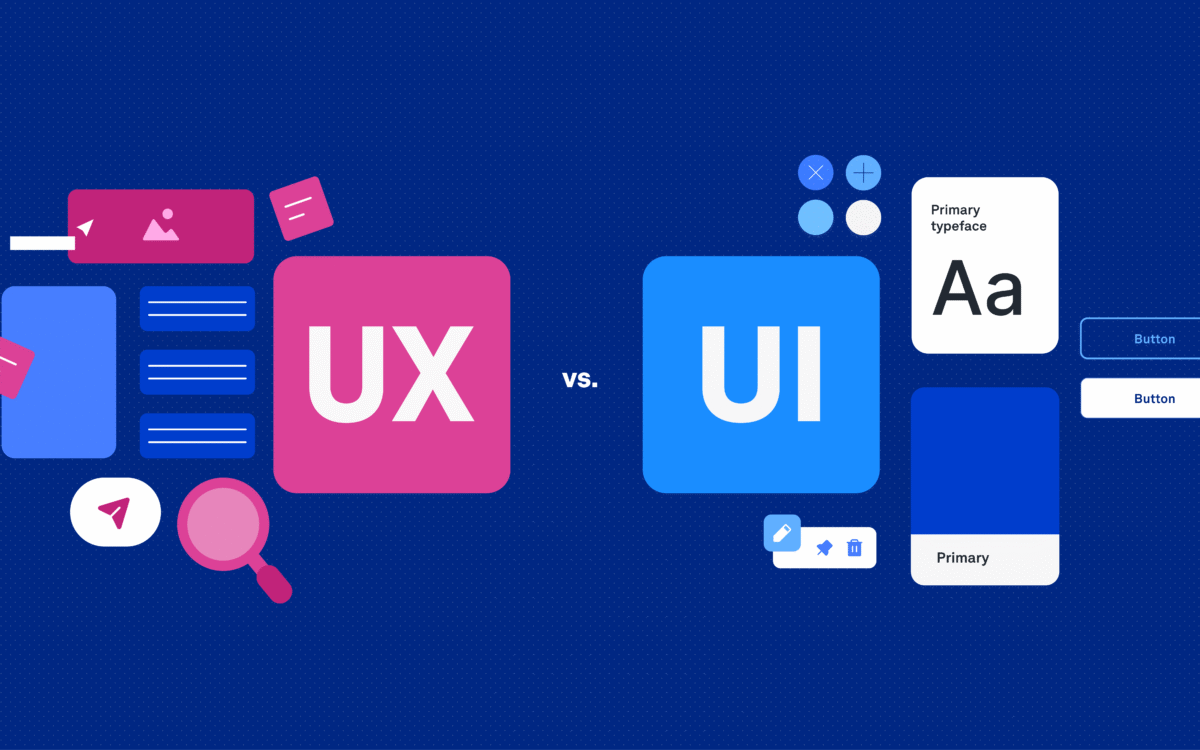
User experience refers to how viewers feel when interacting with a television platform. It includes ease of use, satisfaction, speed, accessibility, and emotional response. User interface design focuses on the visual and interactive elements that make this experience possible, such as layouts, typography, icons, animations, and navigation patterns.
In internet-based television environments, UX and UI must account for unique conditions. Viewers often interact from a distance using remote controls, voice commands, or mobile devices. Screen sizes vary widely, from smartphones to large smart televisions. Contexts also differ, including solo viewing, family use, or public environments.
Designers in 2026 must balance simplicity with depth. Interfaces need to remain approachable for casual users while offering powerful features for advanced viewers.
The Shift from Channel-Centric to Experience-Centric Design
Decline of Traditional Channel Grids
Earlier television interfaces relied heavily on channel grids. These grids mirrored cable television logic, listing hundreds of channels in static tables. While functional, they overwhelmed users and limited content discovery.
Modern internet-delivered television platforms move away from rigid channel grids toward dynamic, content-first experiences. Viewers now browse by interest, mood, or context rather than channel numbers.
Content Discovery as a Core Experience
Discovery has become central to UX design. Viewers expect platforms to surface relevant content instantly, without extensive searching. Home screens prioritise recommendations, trending programmes, and personalised categories.
Effective discovery reduces decision fatigue and increases engagement. Platforms that fail to guide users intelligently risk abandonment.
Personalisation as a Standard Expectation
Individual Profiles and Preferences
By 2026, personalisation is no longer optional. Viewers expect platforms to recognise individual users and adapt accordingly. Personal profiles store preferences such as language, subtitles, favourite genres, and viewing history.
Household-level personalisation ensures that each viewer experiences a tailored interface, even when sharing the same device.
Context-Aware Recommendations
Modern television interfaces use behavioural data to adjust recommendations in real time. Time of day, device type, and recent activity influence what appears on the screen.
For example, educational content may appear during daytime hours, while entertainment-focused recommendations dominate evenings.
Ethical Use of Data
While personalisation improves UX, viewers also expect transparency and control. Clear settings, privacy options, and opt-out mechanisms build trust and long-term loyalty.
Navigation Design for Effortless Control
Remote-First Navigation
Despite advances in touch and voice control, the remote control remains a primary input method for television. Interfaces must prioritise directional navigation, minimal clicks, and predictable focus states.
Designers reduce cognitive load by limiting on-screen choices and grouping actions logically.
Voice Interaction as a Complement
Voice control has matured significantly by 2026. Viewers expect accurate voice search, natural language understanding, and fast responses.
However, voice interaction complements rather than replaces traditional navigation. Successful interfaces integrate voice seamlessly without forcing adoption.
Gesture and Companion App Control
Some platforms support gestures or mobile companion apps for enhanced control. These options appeal to power users while remaining optional for others.
Visual Design Trends in Next-Generation Interfaces
Minimalism with Purpose
Minimalist design dominates modern television interfaces. Clean layouts, generous spacing, and limited colour palettes improve readability and focus.
Minimalism does not mean lack of functionality. Instead, it prioritises clarity and reduces unnecessary visual noise.
Typography for Distance Viewing
Text must remain legible from several metres away. Designers favour large fonts, high contrast, and clear hierarchies.
Dynamic scaling ensures readability across different screen sizes.
Motion and Micro-Interactions
Subtle animations guide users through the interface. Motion highlights focus changes, loading states, and transitions without causing distraction.
Micro-interactions provide feedback, reinforcing a sense of responsiveness and control.
Speed and Performance as UX Fundamentals
Instant Responsiveness
Viewers in 2026 expect near-instant responses to input. Delays longer than a fraction of a second break immersion and create frustration.
Optimised interfaces minimise loading times through efficient code, caching, and lightweight assets.
Perceived Performance
Even when content requires loading, design techniques such as skeleton screens and progressive loading improve perceived speed.
UX design increasingly focuses on how performance feels, not just technical metrics.
Accessibility and Inclusive Design
Universal Access Expectations
Accessibility has moved from compliance to expectation. Viewers demand interfaces usable by people with diverse abilities.
This includes support for:
- Screen readers
- High-contrast modes
- Adjustable text sizes
- Voice navigation
- Captioning and subtitles
Multilingual and Cultural Adaptation
Global platforms must adapt interfaces for different languages and cultural contexts. Layouts adjust dynamically for text length and reading direction.
Inclusive design broadens reach and strengthens brand reputation.
Multi-Device Continuity and Cross-Platform UX
Seamless Switching Between Devices
Viewers often start watching on one device and continue on another. Next-generation television interfaces synchronise progress, preferences, and recommendations across all screens.
This continuity creates a cohesive ecosystem rather than isolated experiences.
Consistent Design Language
While interfaces adapt to device constraints, they maintain consistent visual identity and interaction patterns. Familiarity reduces learning curves and increases comfort.
Social and Interactive Features
Shared Viewing Experiences
Digital television platforms increasingly support shared experiences. Features include watch parties, live reactions, and shared playlists.
UX design balances social interaction with content focus, avoiding clutter or distraction.
Real-Time Interaction
Live content integrates polls, questions, and contextual information. These features enhance engagement without overwhelming the viewer.
Artificial Intelligence and Adaptive Interfaces
Interfaces That Learn
AI-driven interfaces adapt over time. Menu layouts prioritise frequently used actions, while unused features fade into the background.
This adaptive design reduces friction and increases efficiency.
Predictive Navigation
Platforms anticipate user intent based on patterns. Search suggestions, shortcuts, and proactive notifications save time and effort.
Reducing Cognitive Load
Simplicity Over Abundance
Viewers face content overload. Successful interfaces help users decide quickly by limiting visible choices and guiding attention.
Clear hierarchy and progressive disclosure reveal complexity only when needed.
Emotional Design
Design choices influence mood. Calm colour schemes, smooth transitions, and balanced layouts create relaxing environments suited for long viewing sessions.
Security, Trust, and Transparency in Interface Design
Clear Permissions and Controls
Viewers expect transparency around data usage and permissions. Settings must remain easy to find and understand.
Trust Through Design
Consistent branding, predictable behaviour, and reliable performance build trust. Interfaces that behave unexpectedly quickly lose credibility.
UX/UI Challenges in 2026
Fragmentation of Devices
Designers must support a wide range of hardware capabilities. Interfaces adapt dynamically to performance constraints without sacrificing usability.
Balancing Innovation and Familiarity
Radical changes risk alienating users. Successful platforms introduce innovation gradually while respecting established patterns.
Future Directions Beyond 2026
Immersive Interfaces
Extended reality technologies influence future television interfaces. Spatial navigation and immersive environments may redefine how viewers interact with content.
Emotion-Aware Systems
Future interfaces may respond to viewer mood and behaviour, adjusting content presentation accordingly.
Hyper-Personalised Experiences
Personalisation will become increasingly granular, shaping not only content but also interface structure.
Best Practices for Designers and Platforms
- Prioritise simplicity and clarity
- Design for performance first
- Build accessibility into every layer
- Respect user privacy and control
- Test interfaces in real viewing environments
- Iterate continuously based on user feedback
Conclusion
By 2026, user experience and interface design define the success of internet-delivered television platforms. Viewers expect interfaces that feel intuitive, responsive, personal, and inclusive. The best platforms treat UX and UI not as surface-level decoration but as strategic foundations.
As technology evolves, the gap between excellent and poor interfaces will widen. Platforms that invest in thoughtful, human-centred design will earn loyalty, engagement, and long-term relevance in an increasingly competitive digital television landscape.