

Ambient Streaming: The Rise of Invisible Television in 2026
Introduction
In 2026, digital broadcasting is evolving beyond screens, menus, and even user interaction. A new concept known as ambient streaming is changing how people experience content in their daily lives.
Unlike traditional systems where users actively search, click, and choose what to watch, ambient streaming delivers content automatically, intelligently, and contextually—without requiring constant input.
This shift marks the beginning of what many experts call “invisible television”—a system where content simply appears at the right time, in the right place, based on your environment, mood, and habits.
What Is Ambient Streaming?
Ambient streaming refers to context-aware content delivery systems that operate in the background of daily life.
Instead of opening an app or selecting a channel, users receive curated video experiences that adapt to:
- Time of day
- Location
- Activity
- Mood patterns
- Personal interests
For example:
- Morning: light news, weather, and productivity content
- Afternoon: educational or work-related programming
- Evening: entertainment, sports, or movies
- Night: relaxing visuals, music, or documentaries
The experience feels natural, almost like the content “understands” your routine.
From Active Viewing to Passive Experience
For decades, television has required active participation:
- Choosing a channel
- Browsing menus
- Searching for shows
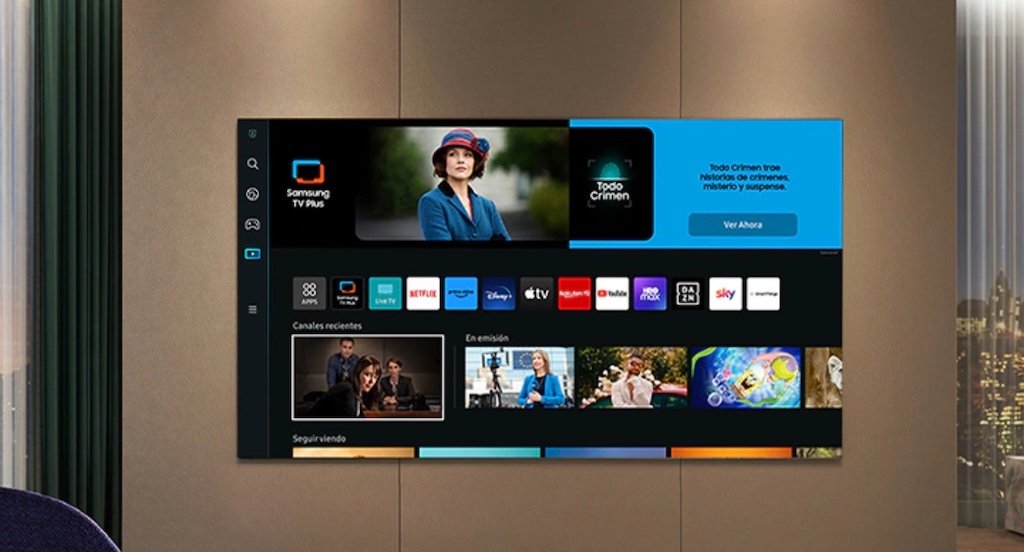
Even modern streaming platforms rely heavily on user interaction.
Ambient streaming eliminates this friction by shifting from active selection to passive consumption.
This does not mean viewers lose control. Instead, they gain a smarter system that reduces effort.
The result is a seamless flow of content that aligns with real-life behaviour.
Smart Environments and Connected Spaces
Ambient streaming is powered by smart environments.
In 2026, homes, offices, and public spaces are increasingly connected through:
- Smart TVs
- Voice assistants
- IoT devices
- Wearables
- Sensors
These devices communicate with each other to understand context.
For example:
- A smart home detects when you wake up → starts a morning content stream
- Your car system plays relevant news or podcasts during your commute
- Office screens display industry-related insights during work hours
Content is no longer tied to one device—it follows you everywhere.
Mood-Based Content Delivery
One of the most innovative aspects of ambient streaming is emotion-aware programming.
Using behavioural patterns and optional biometric data, systems can estimate user mood.
For instance:
- After a stressful day → calming content appears
- During workouts → high-energy videos play
- On weekends → entertainment-focused streams dominate
This creates a more human-centred viewing experience.
Instead of reacting to content, content reacts to the viewer.
The Role of Artificial Intelligence
Artificial intelligence is at the core of ambient streaming.
AI systems analyse vast amounts of data, including:
- Viewing history
- Time spent on content
- Interaction patterns
- Device usage
- Environmental signals
The system then builds a dynamic content flow tailored to each user.
Over time, it becomes increasingly accurate, delivering content that feels intuitive.
Micro-Moments and Short-Form Integration
Attention spans are changing, and ambient streaming adapts accordingly.
Instead of long sessions, content is delivered in micro-moments:
- 30-second updates
- 2-minute highlights
- 5-minute explainers
These short segments fit naturally into daily routines.
For example:
- Waiting for coffee → quick news update
- Break between tasks → short sports highlight
- Before sleep → relaxing visual content
This approach keeps users engaged without overwhelming them.
Personalised Sports and Football Streams
Sports fans benefit significantly from ambient streaming.
Instead of searching for matches or highlights, the system automatically delivers:
- Live match alerts
- Key moments from games
- Tactical analysis clips
- Post-match discussions
For football fans, this means never missing important moments.
The system understands which teams, leagues, and players matter most to the viewer.
Advertising Without Disruption
Traditional advertising interrupts the viewing experience.
Ambient streaming introduces context-aware advertising, which blends naturally with content.
Examples include:
- Travel content followed by flight deals
- Fitness streams paired with health products
- Tech reviews alongside relevant gadgets
Because ads align with user interests, they feel less intrusive and more useful.
Privacy and Ethical Considerations
With increased personalisation comes responsibility.
Ambient streaming platforms must prioritise:
- Data transparency
- User control
- Privacy protection
Many systems now offer:
- Local data processing
- Anonymous tracking
- Customisable privacy settings
Users can decide how much information they want to share.
Trust is essential for long-term adoption.
Cross-Platform Continuity
Ambient streaming is not limited to one screen.
Content flows seamlessly across:
- TVs
- Smartphones
- Tablets
- Laptops
- Car systems
A viewer might start watching content at home, continue on mobile, and finish on another device.
The experience remains consistent.
Content Creation in the Ambient Era
Content creators must adapt to this new format.
Instead of producing only long-form content, they now focus on:
- Modular content segments
- Short-form storytelling
- Context-driven narratives
Creators who understand how to fit into ambient ecosystems will gain more visibility.
The Business Model of Ambient Streaming
Platforms monetise ambient streaming through:
- Subscriptions
- Contextual advertising
- Premium personalised experiences
This diversified model allows platforms to remain profitable while offering flexible options to users.
Challenges Facing Ambient Streaming
Despite its potential, ambient streaming faces challenges:
- Data privacy concerns
- Over-personalisation risks
- Technology adoption barriers
- Content licensing issues
Addressing these challenges will be crucial for widespread success.
The Future of Invisible Television
Ambient streaming represents the next stage of digital media evolution.
It moves beyond screens and apps into integrated life experiences.
In the future, content will not be something users search for—it will simply be there.
Relevant, timely, and personalised.
Conclusion
Ambient streaming is redefining how people consume content in 2026.
By combining artificial intelligence, smart environments, and behavioural insights, it creates a seamless, personalised viewing experience.
This shift from active selection to passive delivery reduces friction and enhances engagement.
As technology continues to evolve, invisible television may become the new standard—changing not just how we watch content, but how content becomes part of our daily lives.