The Death of the Playlist: Why 2026 is the Year of “Hyper-Personalized” IPTV
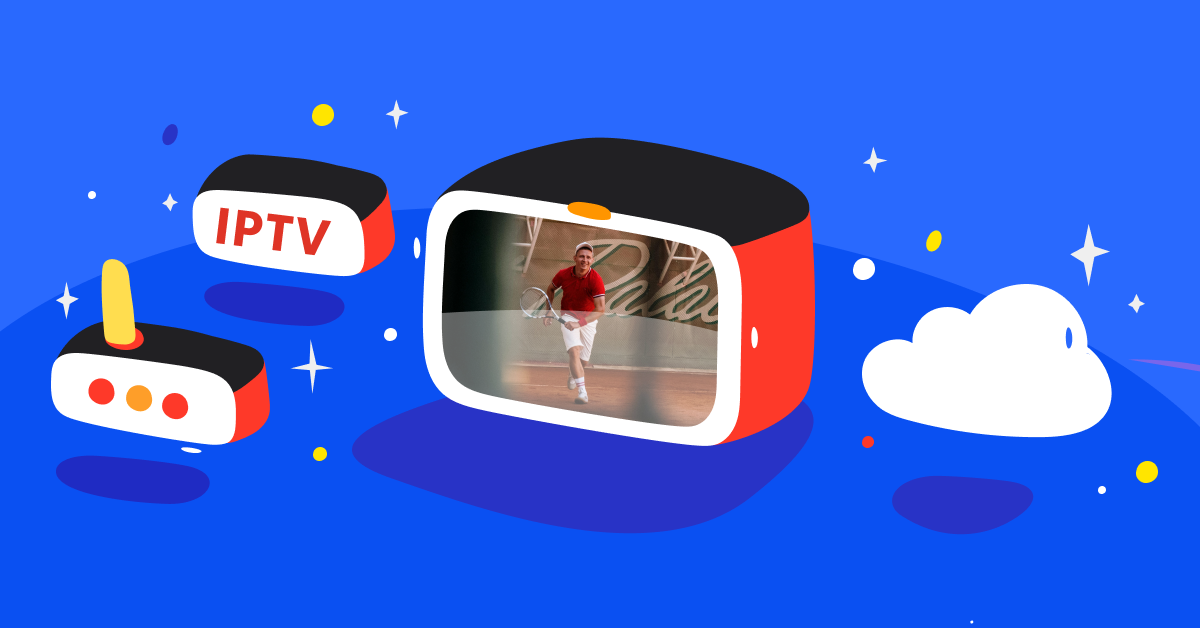
Remember the days of scrolling through 10,000 channels you never watched? That era is officially over.
Welcome to 2026.
The IPTV landscape has undergone a seismic shift over the past 24 months. The “one-size-fits-all” mega-playlist with 20,000 channels is dead. In its place rises something far more sophisticated: Hyper-Personalized IPTV.
If you’re still selling the same old “10,000 channels for $15” packages that worked in 2022, you’re already behind your competitors. Today’s viewers don’t want everything—they want exactly what they want, and they want it to find them automatically.
In this deep dive, we’ll explore the five biggest trends redefining IPTV subscriptions in 2026, how AI is replacing the traditional EPG, and what you absolutely must look for in a provider this year.
Trend #1: The “Spotification” of Live Television
Spotify changed music forever by moving from ownership to access, and by using algorithms to serve you the next song before you even knew you wanted it. In 2026, IPTV has finally caught up.
Gone are the days of static channel lists sorted by country. The new generation of IPTV services uses machine learning algorithms that analyze your viewing habits in real-time.
How It Works
When you sign up with a cutting-edge IPTV provider in 2026, the first thing you notice is the absence of a massive list. Instead, you’re greeted with a home screen that looks eerily similar to Netflix or Spotify.
- AI-Generated Channel Grids: The system learns that you watch Premier League football on Saturday mornings, CNN International during lunch, and True Crime docs at night. Within a week, your “Live TV” section is completely reorganized. Your favorite channels are at the top, and suggestions for new channels you’ve never watched (but statistically should enjoy) appear in a “Recommended for You” row.
- Mood-Based Viewing: New middleware now allows for “mood filtering.” Instead of browsing “Sports” or “News,” you can select “Feeling Nostalgic” and the system pulls up classic sitcoms from the VOD library alongside live retro TV channels.
- The “Non-Linear” EPG: The traditional grid guide isn’t gone, but it’s now secondary. The primary interface is content-focused, not channel-focused. You search for a show, not a network.
Why This Matters in 2026:
Viewer attention span is at an all-time low. If a user opens your IPTV app and is overwhelmed by 20,000 unsorted channels, they will close it and open Netflix. The providers that win in 2026 are the ones that curate the chaos using artificial intelligence.
Trend #2: Web3 and the Rise of Decentralized IPTV
If you’ve been paying attention to tech news, you’ve heard about Web3. But what does it actually mean for IPTV subscribers?
In 2024 and 2025, the biggest problem with grey-market IPTV was server downtime. Providers would get raided, their hosting would be cut off, or they’d simply vanish with your money. Enter Decentralized Streaming.
Peer-to-Peer IPTV Networks
2026 has seen the emergence of IPTV services built on blockchain technology and peer-to-peer (P2P) protocols, similar to how torrents work but for live streaming.
Instead of a single server hosting a channel and streaming it to thousands of users (which is expensive and creates a single point of failure), decentralized IPTV breaks the stream into tiny pieces and distributes it across a network of users.
- What This Means for You:
- Zero Buffering: If thousands of people are watching the same big game, you’re not all hammering the same server. You’re sharing the load.
- True Anonymity: Because there’s no central server logging your IP address (or none that the provider controls directly), your privacy is significantly enhanced, even without a VPN (though we still recommend one).
- Censorship Resistance: Governments and ISPs find it much harder to shut down a P2P network than a single website.
Crypto Payments and Smart Contracts
Remember the anxiety of paying a random guy on WhatsApp $100 for a “lifetime subscription” only to have him block you a week later?
In 2026, Smart Contracts are changing the game. A smart contract is a self-executing contract where the terms are written into code on the blockchain.
- How it Works: You pay for a subscription via cryptocurrency. The smart contract holds the funds. It releases a portion to the provider every week as long as the service remains active. If the server goes down for more than 24 hours, the smart contract automatically refunds your money.
- The Result: Scams are plummeting. The providers who remain in 2026 are the ones confident enough in their uptime to use smart contract technology.
Trend #3: 8K, Codecs, and the Bandwidth Revolution
We’ve been talking about 4K for years. In 2026, 4K is the baseline. The new premium tier is 8K and AI Upscaling.
The Hardware is Finally Here
While 8K TVs have been around for a few years, the content was always missing. In 2026, major broadcasters for sports like the FIFA World Cup and the Summer Olympics are broadcasting natively in 8K. Premium IPTV providers are now capturing these feeds.
The Codec War: AV1 Wins
You can’t stream 8K without serious compression. The industry has finally standardized around the AV1 codec.
- Why It Matters: AV1 provides 30% better compression than the old H.265 (HEVC) standard. This means you can stream 8K content using the same internet bandwidth that used to be required for 4K.
- For the User: If you have a decent fiber connection (100 Mbps+), you can now enjoy crystal-clear, high-frame-rate sports without the macro-blocking and pixelation that plagued early IPTV.
What to Look For
When shopping for an IPTV subscription in 2026, don’t just ask if they have HD. Ask about their codec support. If a provider is still using ancient H.264 streams, the quality will look blocky on modern large-screen TVs. Look for providers offering “AV1 Optimized” streams.
Trend #4: The “Super-App” Integration
In Asia, we’ve seen the rise of “Super Apps” like WeChat—apps that do everything: messaging, payments, shopping, and entertainment. In 2026, this concept has finally hit the IPTV world in the West.
IPTV Inside Everything
Standalone IPTV apps still exist, but the trend is integration. We are seeing partnerships where your IPTV subscription becomes a “channel” inside other ecosystems.
- Gaming Consoles: The latest Xbox and PlayStation dashboards now have dedicated “Live TV” tabs powered by backend IPTV providers. You no longer need to open a separate app; the streams are woven into the console’s native guide.
- Smart Home Hubs: Your Amazon Echo Show or Google Nest Hub Max can now run lightweight IPTV players. Imagine walking into your kitchen and saying, “Show me the news,” and your device instantly streams your IPTV news channel without you touching a remote.
- The “All-in-One” Subscription: We are seeing the rise of bundles where a single subscription gives you IPTV, a premium VPN (like NordVPN or ExpressVPN), and a cloud DVR service, all managed from one dashboard and billed together.
Why This is Hot in 2026:
Convenience is king. The user doesn’t want to juggle five different apps and logins. The IPTV providers that survive are the ones that make their streams accessible everywhere, invisibly.
Trend #5: The “FAST” Integration (Free Ad-Supported TV)
Here’s a paradox of 2026: Even people paying for premium IPTV subscriptions still watch free ad-supported channels.
The Blurring Line
Platforms like Pluto TV, Tubi, and Amazon Freevee have proven that audiences don’t mind ads if the price is right (free). In response, smart IPTV providers are now hybridizing their playlists.
Imagine opening your IPTV app in 2026. You have your premium “Grey Market” sports channels from the UK and the US. But right next to them, integrated seamlessly into the same EPG, are hundreds of legal, free, ad-supported channels (FAST channels).
- The Benefit:
- For the Provider: It adds “legitimacy” to the playlist and fills gaps when premium streams go down.
- For the User: You get a massive library of legal content (classic movies, old TV shows, 24/7 news) mixed with your premium content, all in one interface.
The “Backup” Strategy
Smart users in 2026 use this to their advantage. If their premium stream for a particular channel buffers during a storm, many modern IPTV players are now smart enough to automatically switch to the free, legal FAST version of a similar channel (if available) to keep the viewing experience seamless.
The 2026 Buyer’s Checklist
So, you’re ready to dive into the world of 2026 IPTV. What do you need?
- AI-Enhanced Middleware: Does the service just dump a list on you, or does it learn your habits? Demand a free trial to test the “smartness” of the interface.
- AV1 Codec Support: Ask specifically about this. If they look confused, they’re stuck in the past.
- Decentralized Options: Look for providers offering P2P backup streams or those using smart contract payments for security.
- Multi-Platform “Super-App” Access: Does it work seamlessly on your car’s entertainment system? Your smart glasses? Your fridge? The future is everywhere.
- The VPN Question: In 2026, with ISPs deploying even more sophisticated Deep Packet Inspection (DPI), a VPN is no longer optional. It’s mandatory. Ensure your provider doesn’t block known VPN IP addresses (many of the good ones now welcome VPN users).
Conclusion: The Future is You
The IPTV subscription of 2026 is not about the quantity of channels. It’s about the quality of the experience. It’s about technology that fades into the background and simply shows you what you want to watch, when you want to watch it, on any screen, without asking.
The days of the static, overwhelming playlist are numbered. The age of hyper-personalized, AI-driven, decentralized television is here.
Are you ready to upgrade your setup?